Why guidance is not a promise
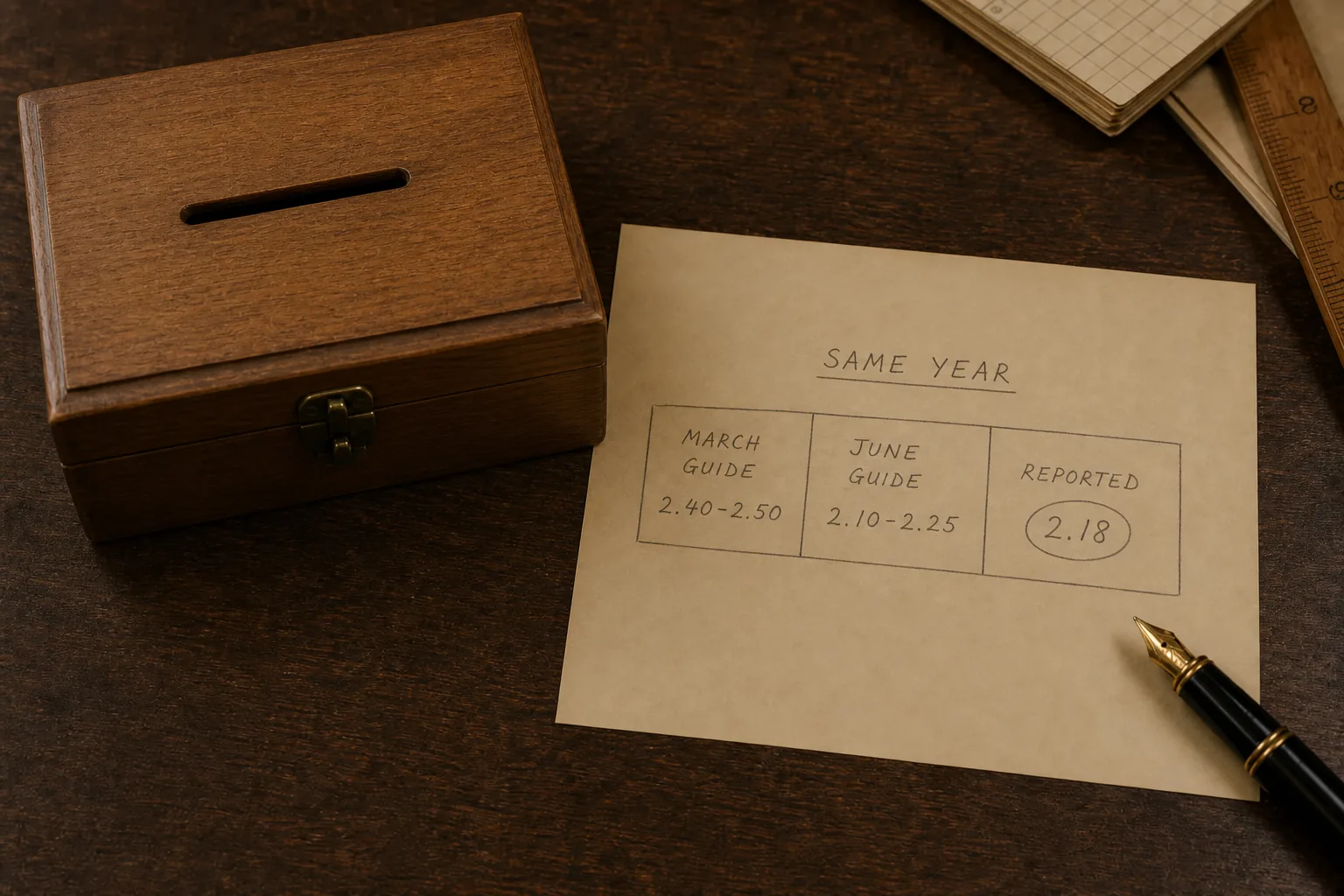
They said 2.40 to 2.50. Out loud, on the winter call. In June they said 2.10 to 2.25. Same firm. Same year. The first number was not a promise. It was guidance: a range they are allowed to walk. It is not a contract. It is not the print that will show up in the 10-Q.
People hear a figure on a speakerphone and file it under what the company owes them. Outlook is not a debt. The filing is the score.
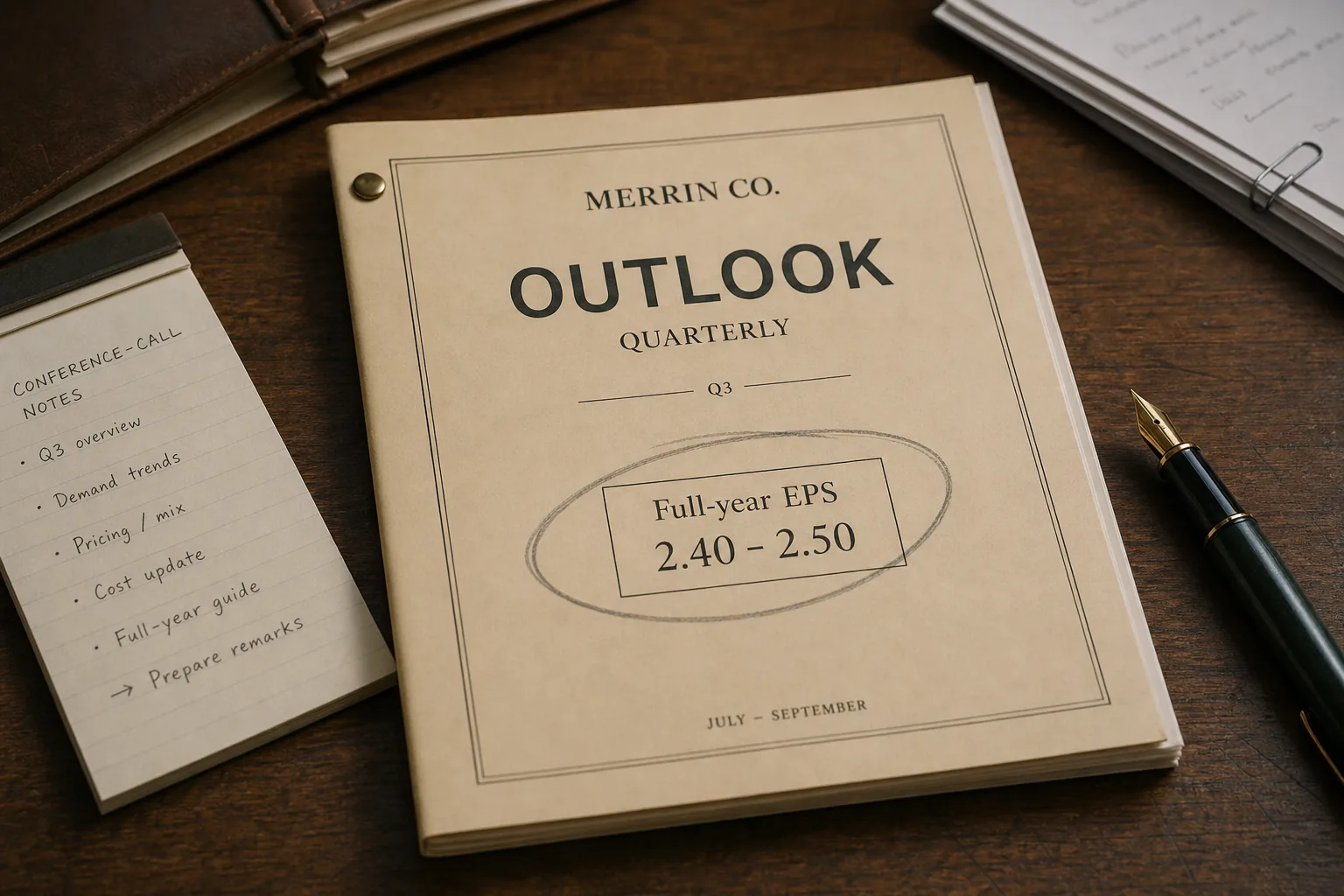
They said a number. Then they said another.
Guidance is a forecast they chose to publish. Revenue. Earnings per share. A margin they will not shut up about. Sometimes a full-year box. Sometimes the next quarter. The verbs are soft on purpose: expect, anticipate, currently see. Soft words are not a dodge. They are a label. This is a look ahead, not a receipt.
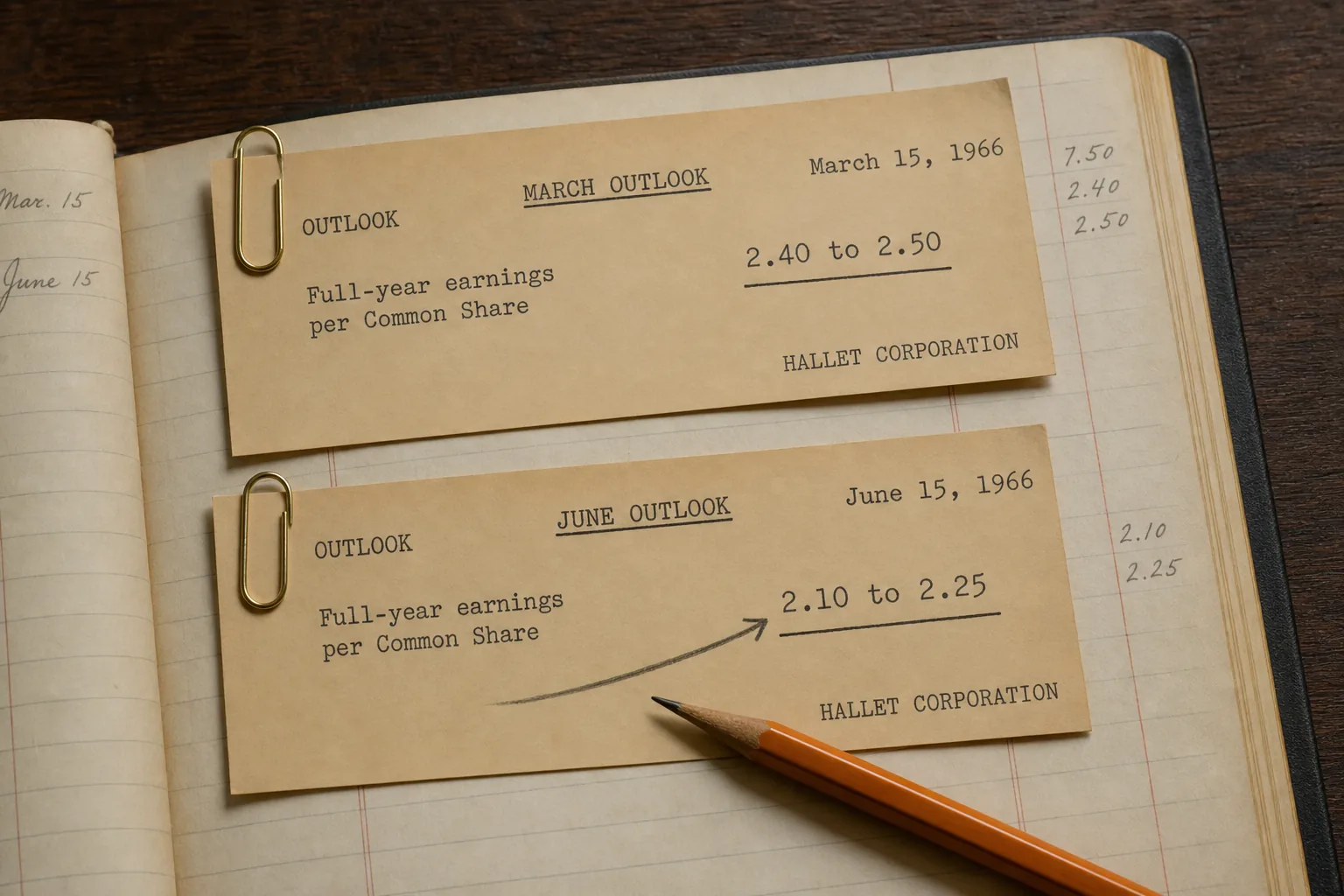
When they walk it, they usually walk the same line. “We now expect.” The old range does not get erased from memory. It just stops being the live one.
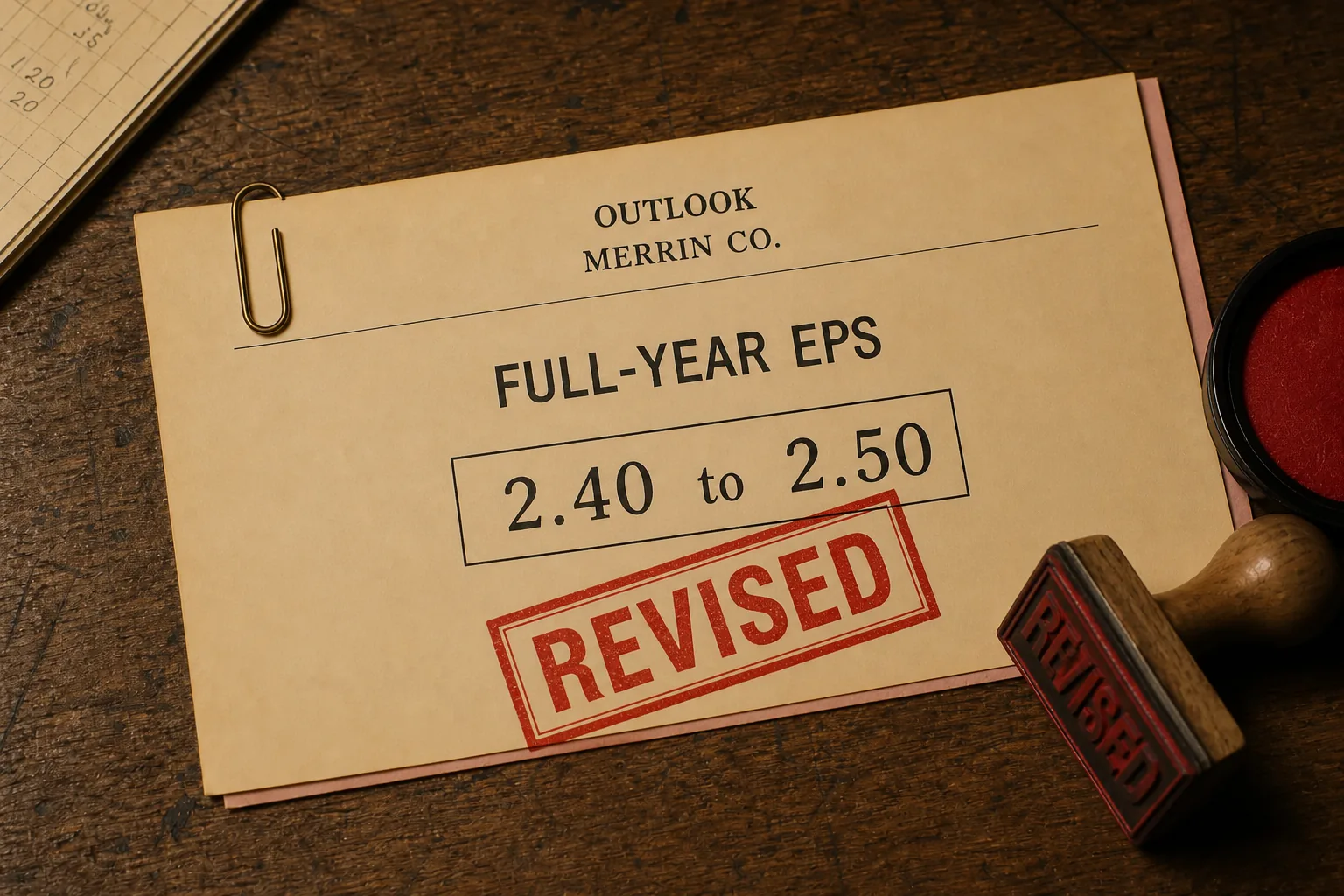
A range is not a contract
A contract has a remedy. Miss a delivery and someone can point to a clause. Miss your own outlook and the stock can move. That is a market reaction, not a breach. Nobody can take the old 2.40–2.50 to a clerk and demand the difference.
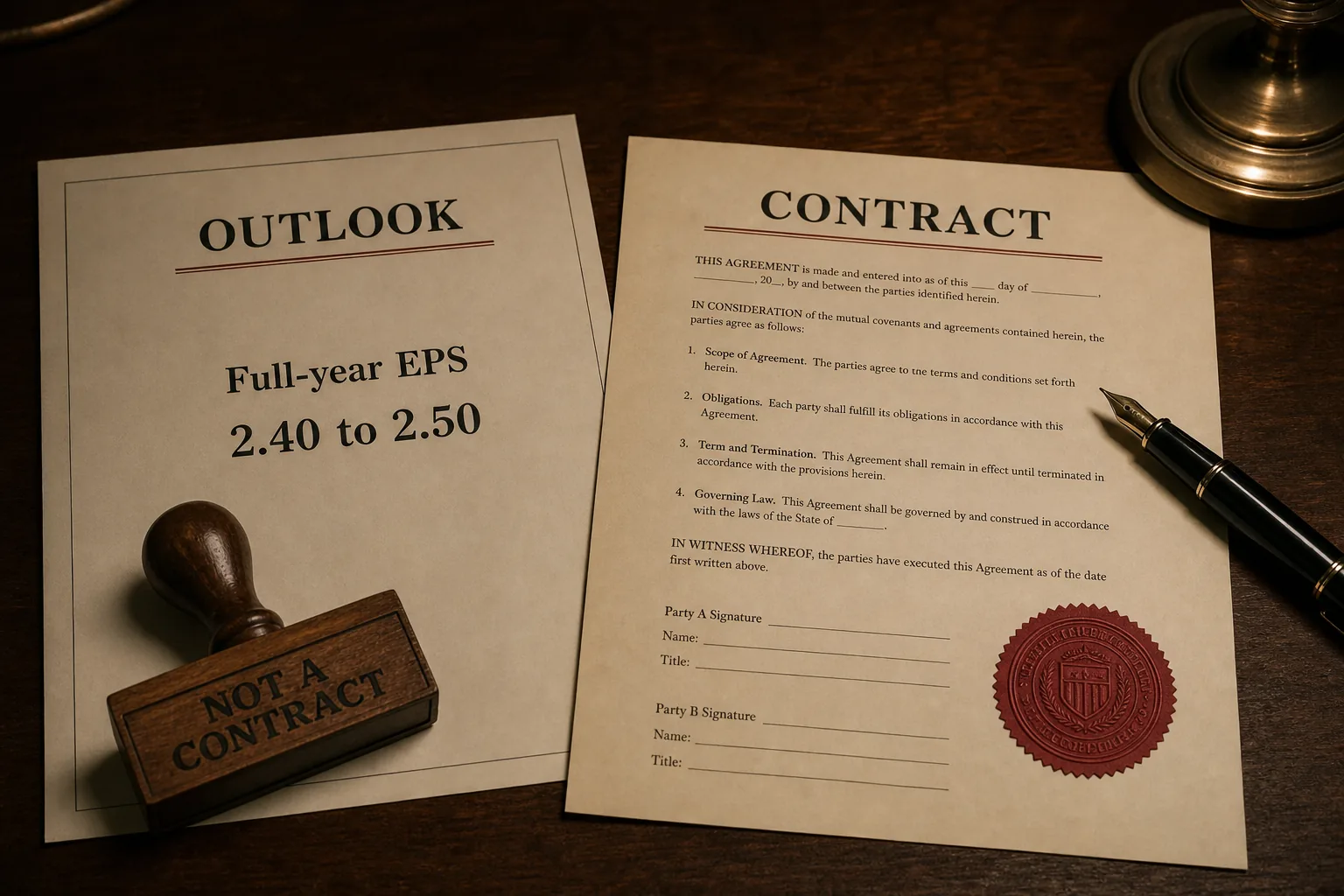
You can dislike the walk. You can call it late. You cannot treat it as a broken vow unless they tied themselves to something else — a covenant, a stated dividend they already declared, a number in a filed statement that was already a fact. Outlook is none of those.
The 10-Q is the print
The quarter ends. The books close. The 10-Q, or the 10-K at year-end, is where the actual line lives. That print can sit inside the last guide, under it, or through it. The guide does not become the print by sitting next to it on a slide.
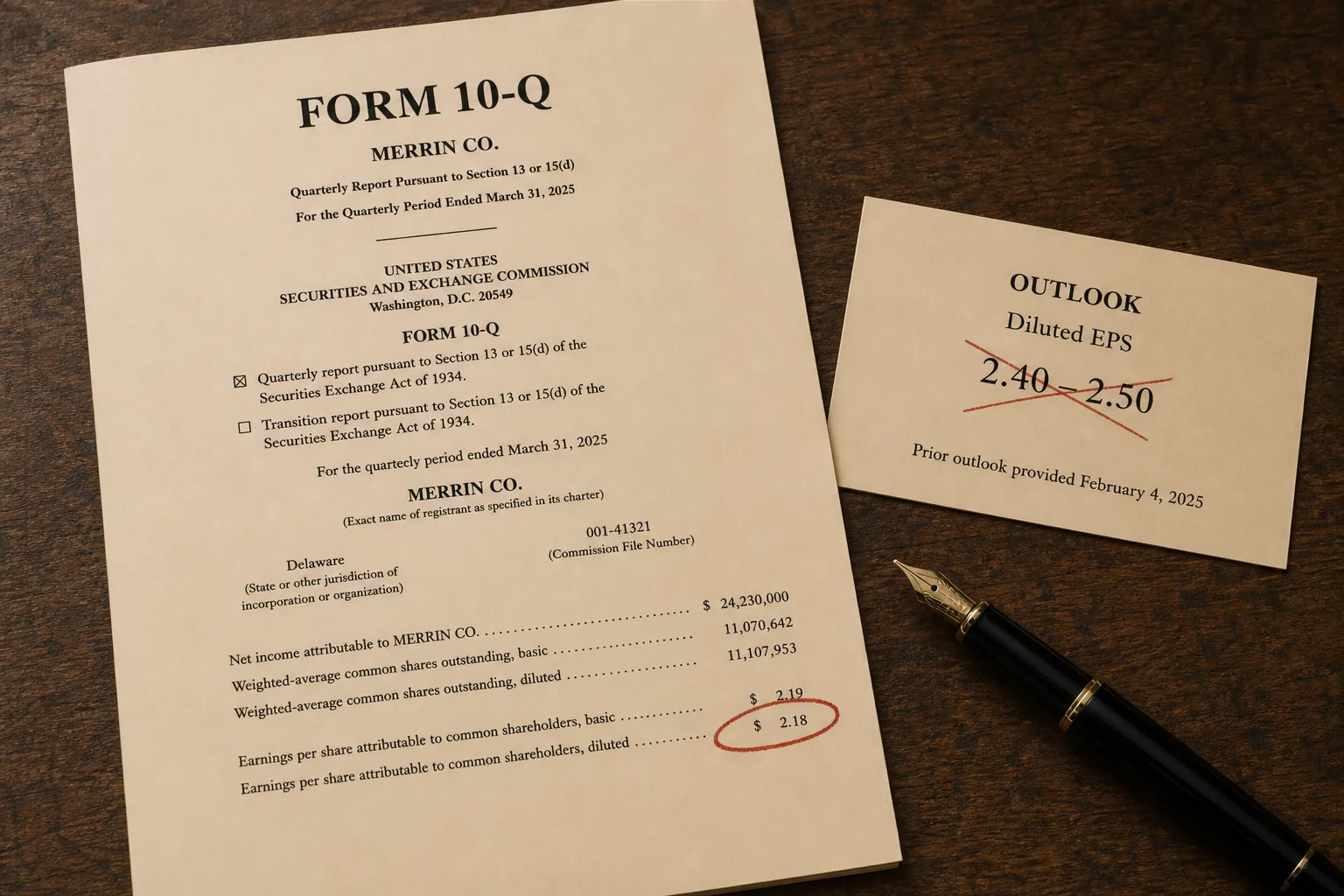
A dull pair. March guide: 2.40 to 2.50. June guide: 2.10 to 2.25. Reported diluted EPS: 2.18. Versus the first range, they “missed.” Versus the live range, they printed inside it. Versus last year, maybe they grew. Those are three different sentences. Only one of them is the filing.
Why they say it anyway
They say it because the room asks. Models need a hurdle. The slide has a box. Publishing a range puts a number in the air so the next surprise has something to stand next to. That is a communication habit. It does not turn the range into a guarantee.
A raised guide is still a range. A cut guide is still a range. Either one can be revised again before the quarter closes. The only number that stops being a look-ahead is the one that lands in the filing.
BEAT and MISS against the guide are about the last number they left on the table, not about a vow from winter. If you want a promise, look for a contract. If you want the result, wait for the 10-Q.
Educational only · Not investment advice