Why a stock split does not make you richer
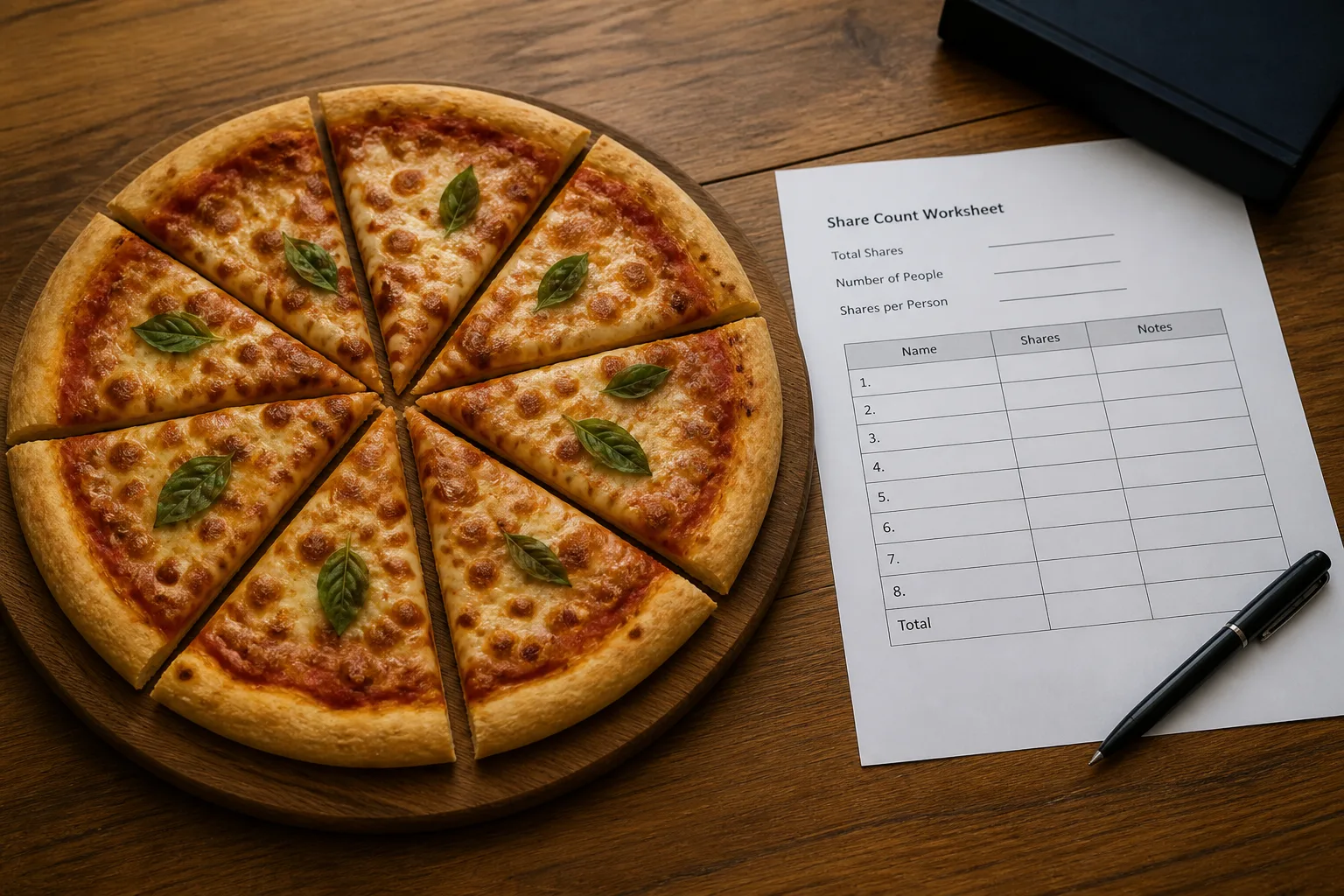
A split is a paper cut, not a raise. You get more shares. Each share is worth less. Your piece of the company does not grow because the account now shows a bigger share count.
It feels like it should. More of anything usually means more. Here it means the same claim, sliced thinner.
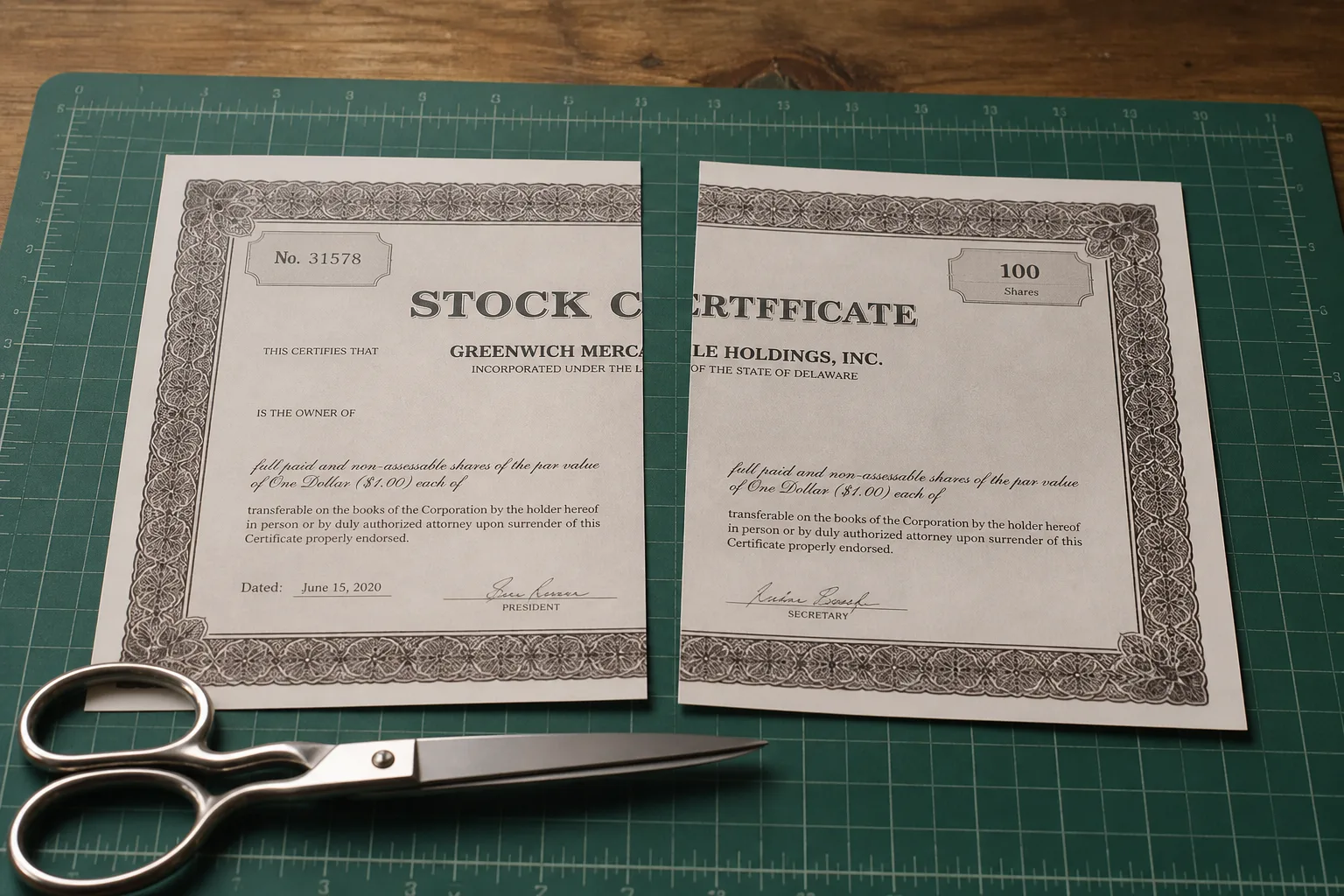
You own 100 shares at 80. That is 8,000 of equity, ignoring the extra pennies. After a 2-for-1 you own 200 shares at 40. Still 8,000. Nobody minted a second business in the back room. They relabeled the same claim.
Think of a twenty. You swap it for two tens. You do not leave the counter richer. You leave with more pieces of the same cash.
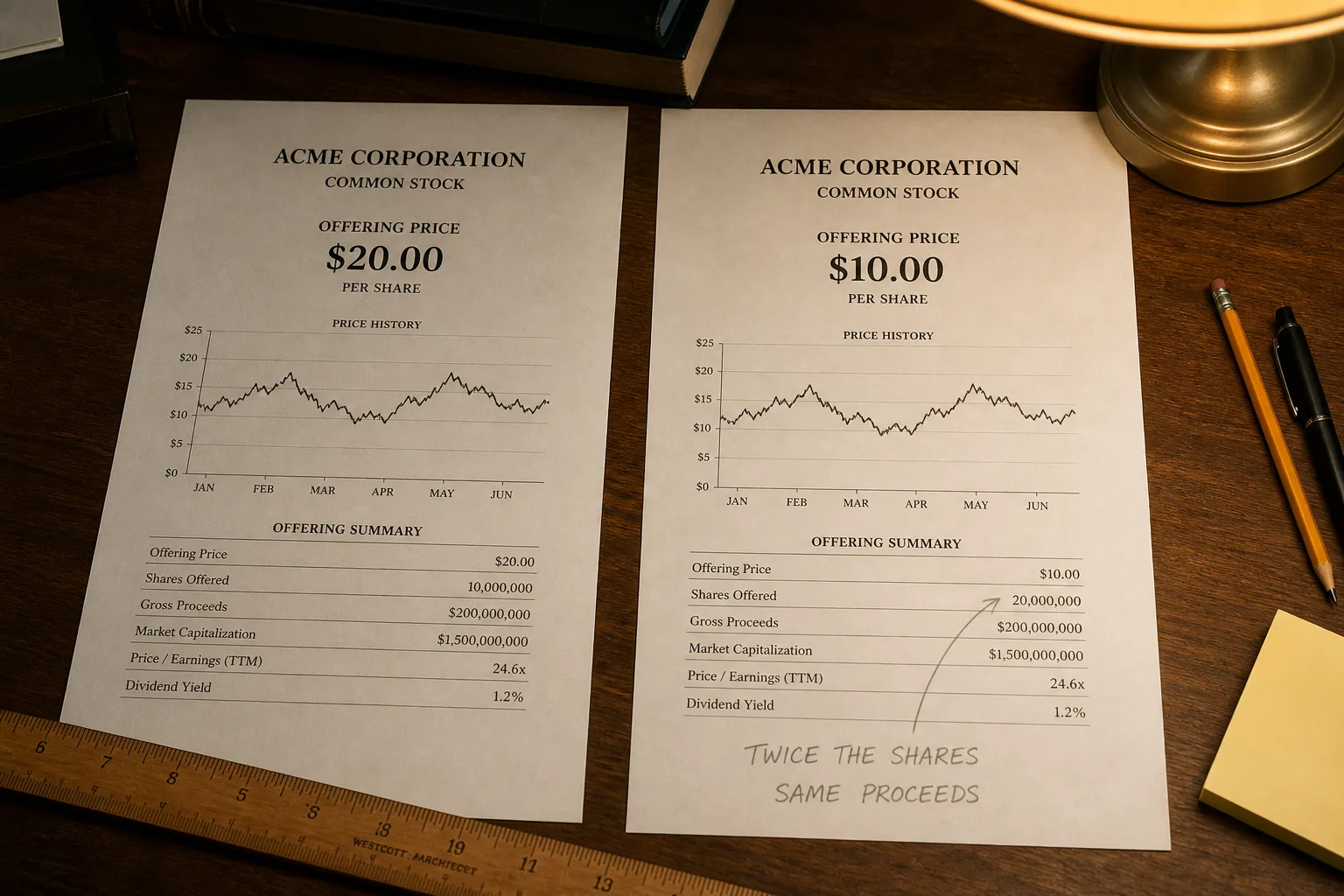
Charts will lie if you let them
An unadjusted chart can look like a cliff the morning after a split. The business did not shrink overnight. The yardstick did. Adjusted charts glue the history together so 80 and 40 are the same claim in two denominations. Compare a raw 80 to a raw 40 and you are comparing feet to inches.
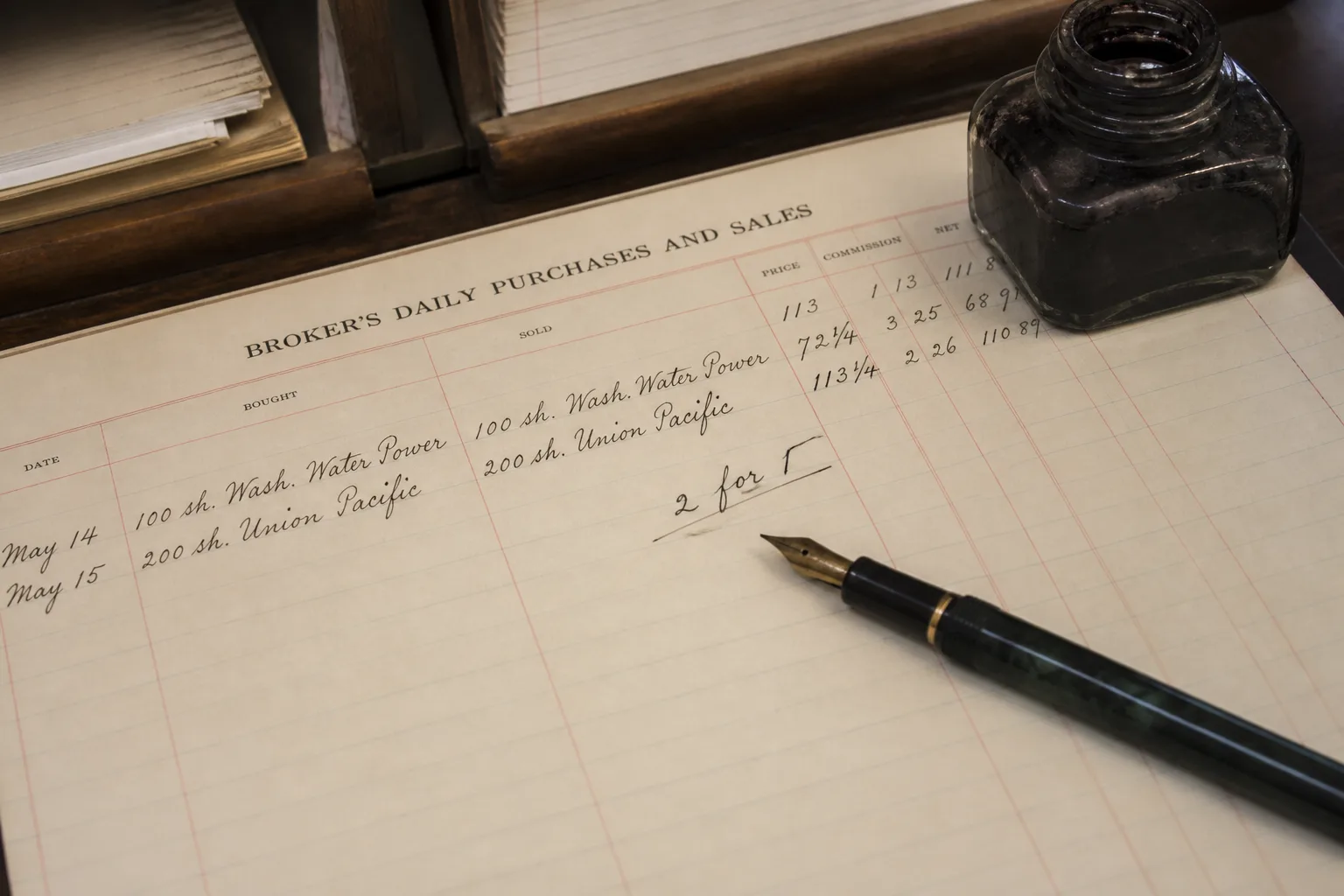
The split note on a blotter is a ratio. Shares outstanding go up. Price per share goes down. At the instant of the cut, position value is supposed to sit still. After that, the bid and the ask do whatever they were going to do for ordinary reasons.
People still attach a story. “Now it is cheaper, so more buyers will show up.” Maybe. That is a claim about future demand, not about the math. “I have twice as many shares, so I am twice as exposed.” Only if you forgot the price moved. Dollar exposure is the product, not the share count.
A thicker stack of stubs looks like a thicker claim. Count them without the new price and you will invent money that is not on the ticket.
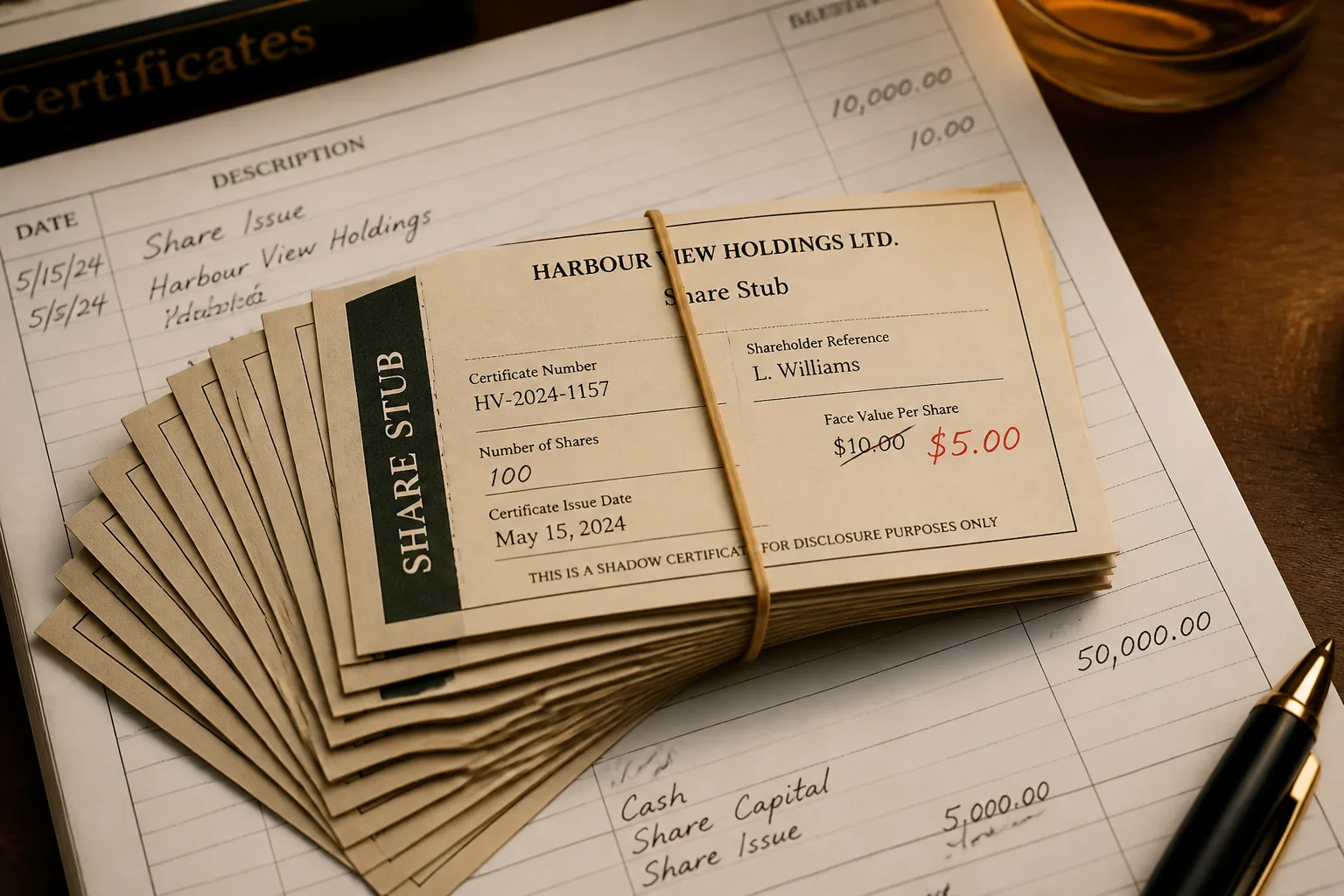
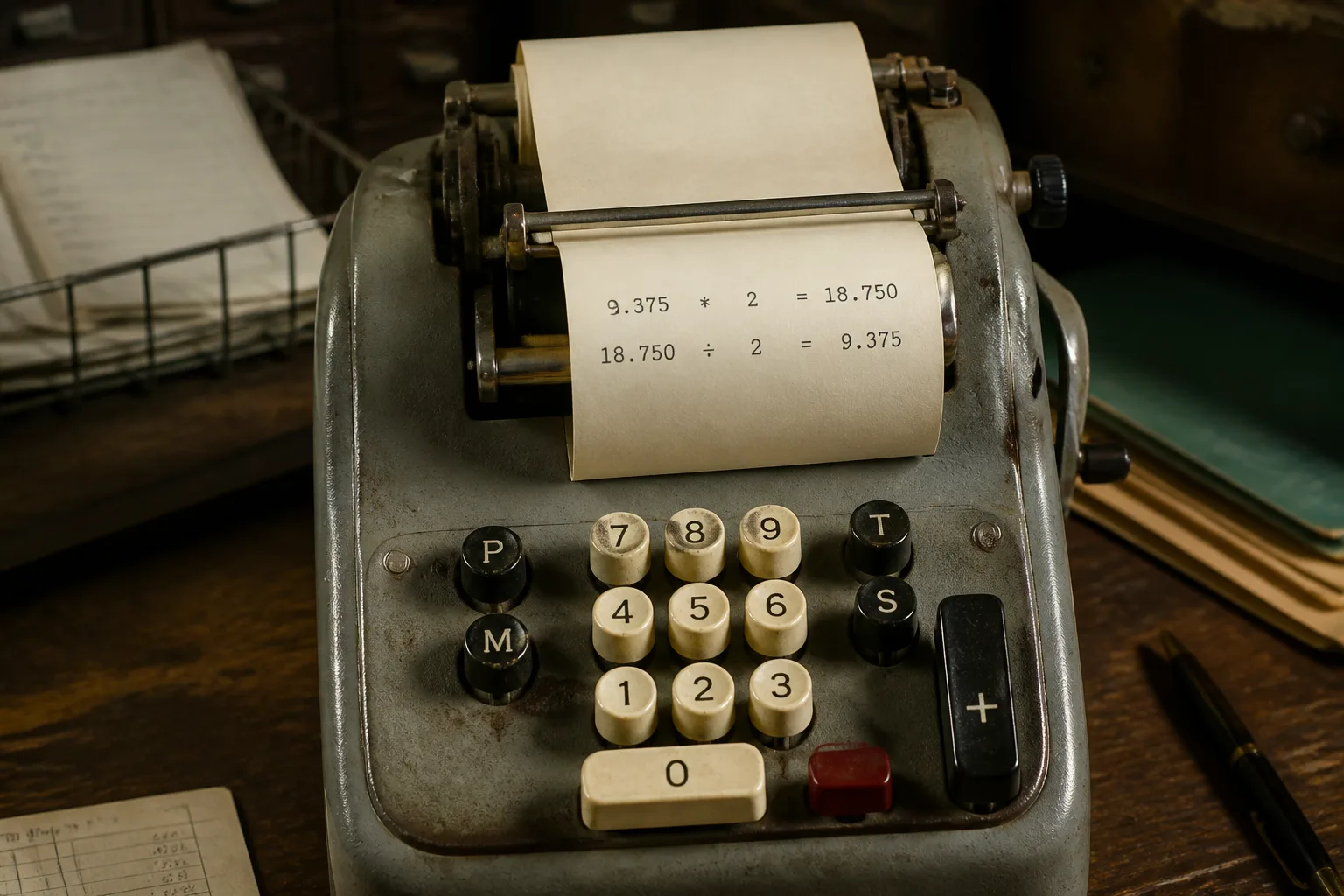
Times two, divided by two
The identity is rude on purpose. Multiply the shares. Divide the price. You should end where you started. If your account value jumps by about 2x at the split moment, the screen has not applied the new price, or something else happened the same day.
A reverse split is the same trick flipped. Fewer shares, higher price, same claim. Companies use it when they want a bigger print per share. That can change who is allowed to hold the name. It still does not, by itself, add a second company.
One more pass. You hold 50 shares at 120. That is 6,000. The company splits 3-for-1. You hold 150 at 40. Still 6,000. If the next bid is 40.20, you did not earn that 20 cents “because of the split.” A buyer showed up after the relabel. If the next bid is 39.70, the split did not fail. The cut already did its only job.
Options and leftover lots get adjusted so the contract stays in the same neighborhood. That is housekeeping. It is not a side door into extra wealth. If a strike did not adjust, that is a display error, not a gift.
Share count is loud. Price times shares is quiet. A split changes the ticket. It does not, on its own, change what you own.
Educational only · Not investment advice