Why a buyback is not a dividend
A buyback is not a dividend. A dividend takes cash out of the building and puts it in the accounts of people who still hold the stock. A buyback takes cash out of the building and pays the people who sold shares back. If you did not sell, nothing lands. You just own a larger slice of a company that now holds less cash. Those are different trips for the same pile.
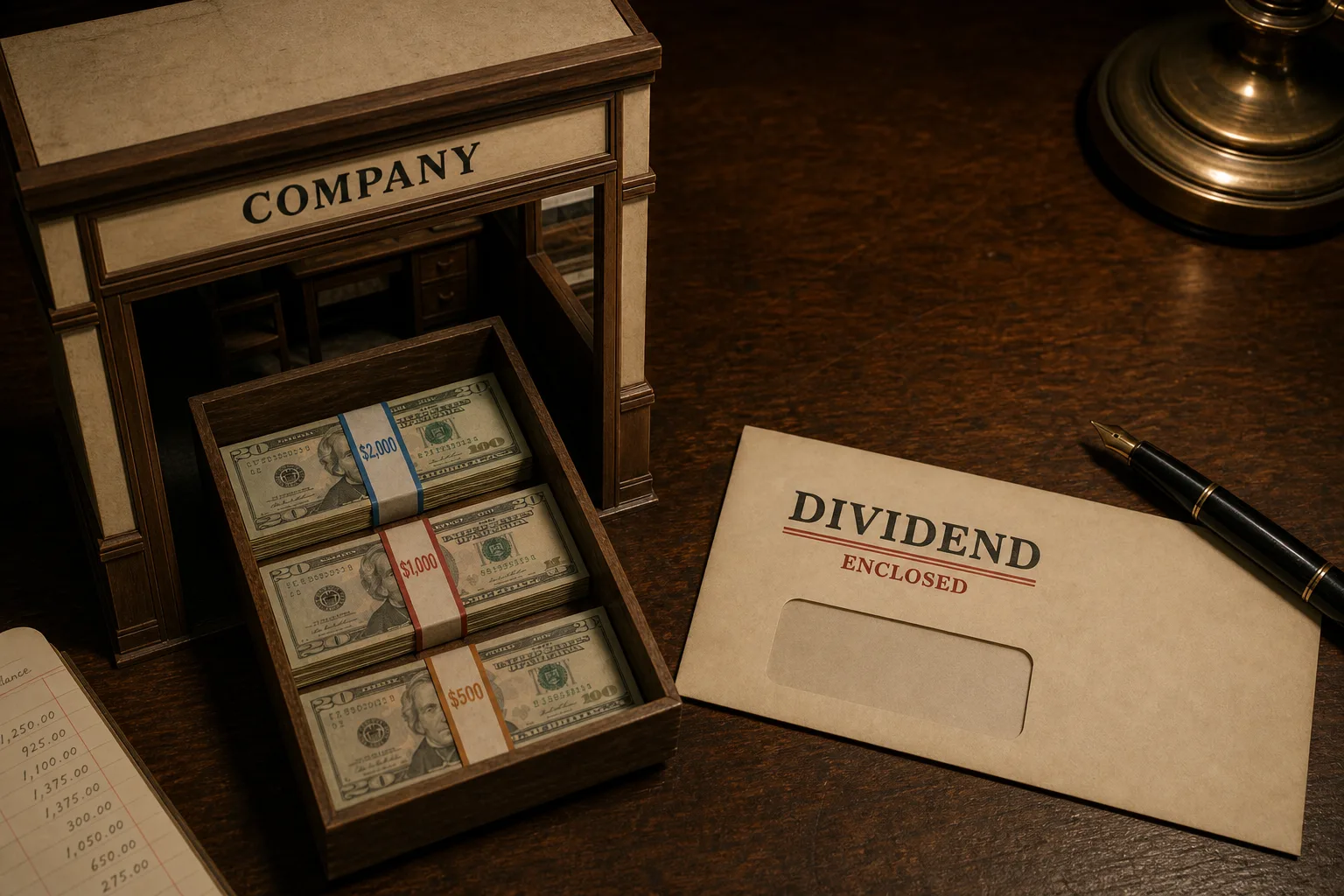
You can like both. You can dislike both. You cannot treat them as the same courtesy on different letterhead.
Cash that does not land in your account
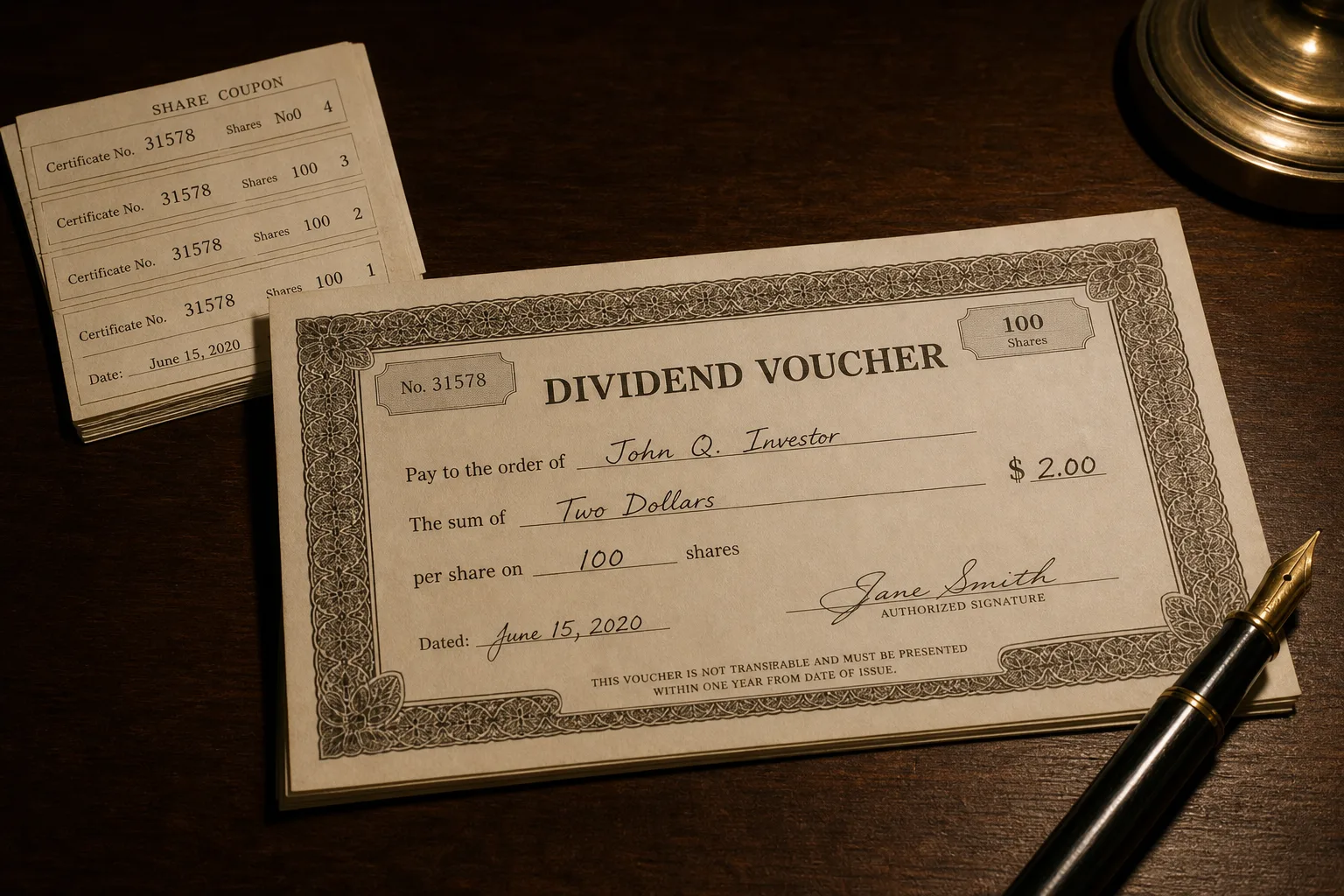
A dividend is a check, or a credit. The cash leaves. Your share count does not move because of the check. You can spend it, save it, or send it back by buying more stock. That last move is a new decision. The dividend already happened.
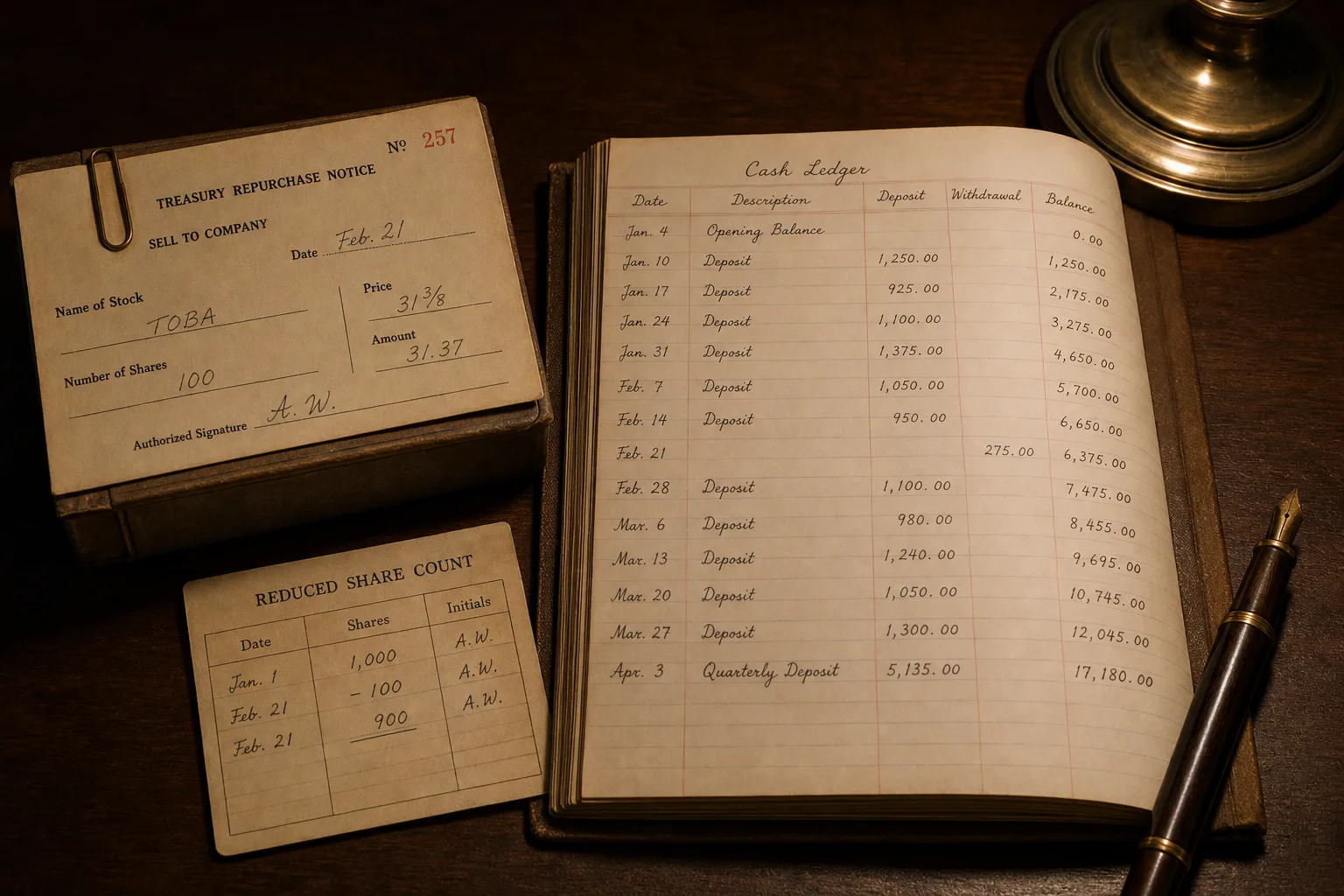
A buyback spends cash too. It spends it on stock. The sellers get paid. If you stayed put, your account does not tick up. The cash left anyway.
The share count is the lever
Buybacks shrink the number of claims. Same earnings pile, fewer shares, a bigger number per remaining share. That can be ordinary arithmetic. It is also a thinner cash drawer.
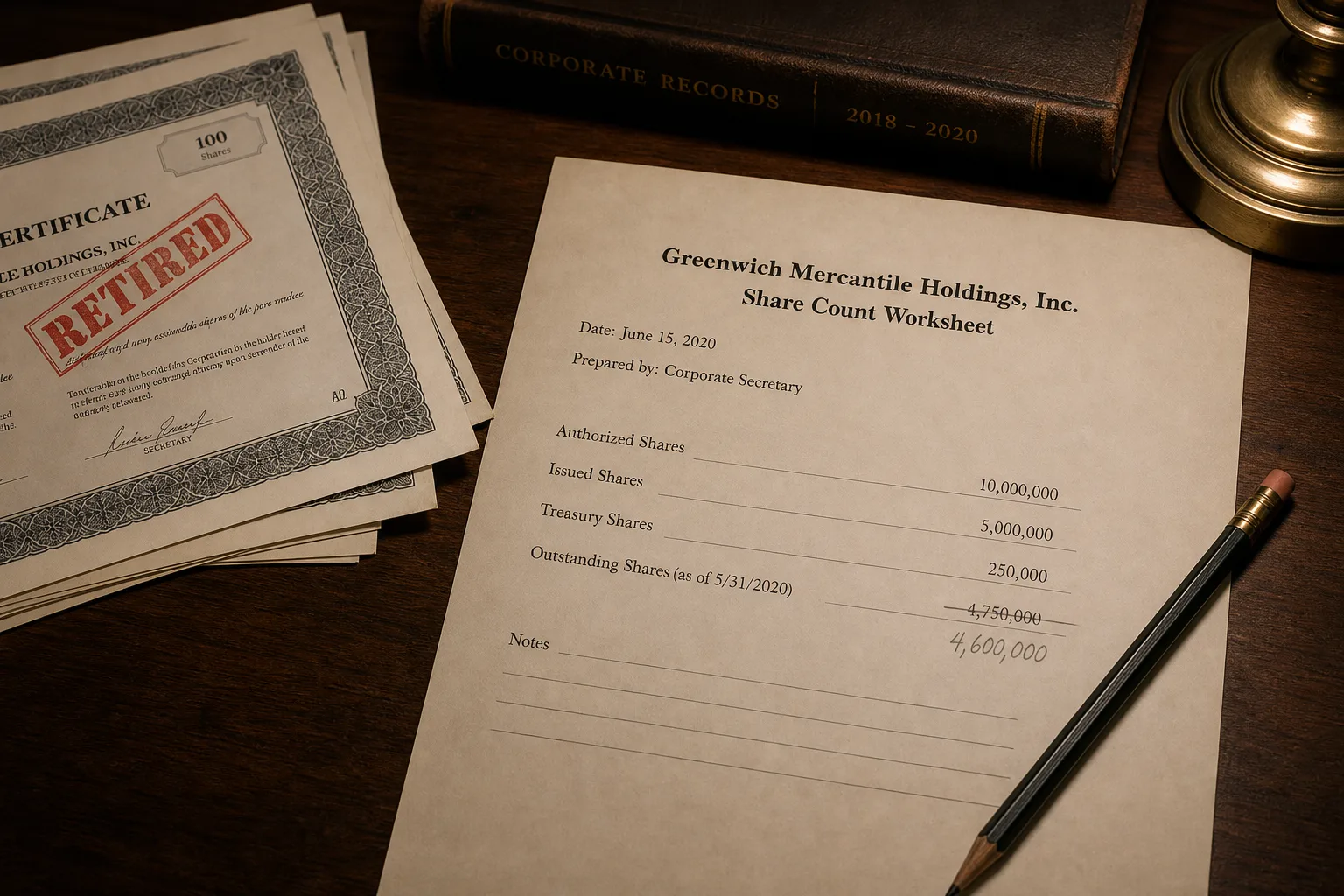
Dividends do not do that job. They take cash out and leave the claim count alone. You own the same slice of a lighter wallet.
“Shareholder friendly” is a slogan
Press releases love the phrase. A buyback paid from spare cash after the bills are paid can be housekeeping. A buyback paid with new debt while the business is leaking can be a costume. A fat dividend from a firm that will need the money next spring is not a favor either.
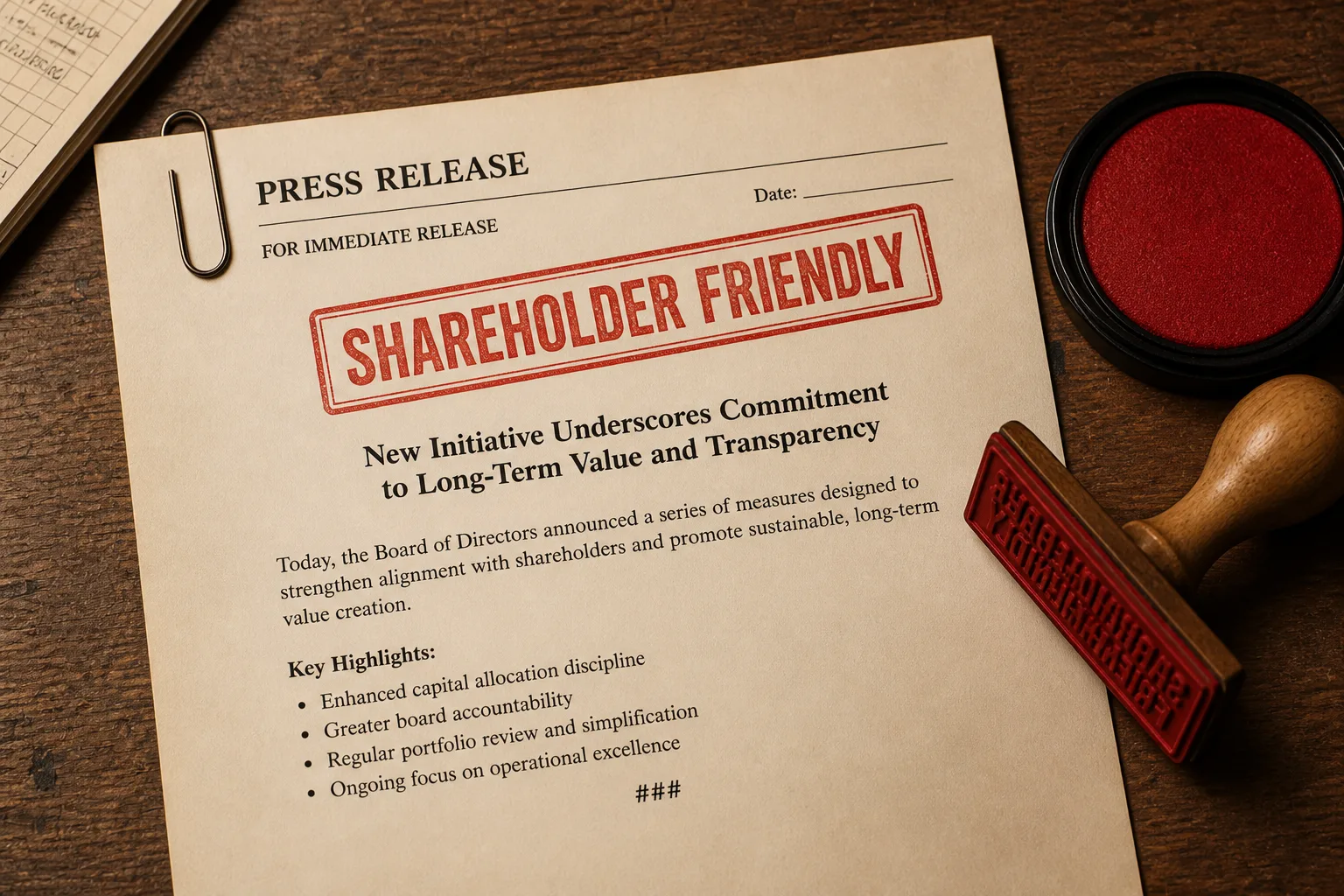
The label does not do the work. The cash, the share count, and the balance sheet do.
Same pile, two doors
A boring pair. The firm has 200 million of extra cash and 100 million shares.
Door one: it pays a 2.00 dividend. You hold 1,000 shares. You get 2,000 in cash. You still own 1,000 shares of a company that is lighter by 200 million.
Door two: it buys 5 million shares at 40. You hold 1,000 and you do not sell. You get no cash. You now own 1,000 of 95 million shares. Your slice went up. The cash still left. It went to someone else.
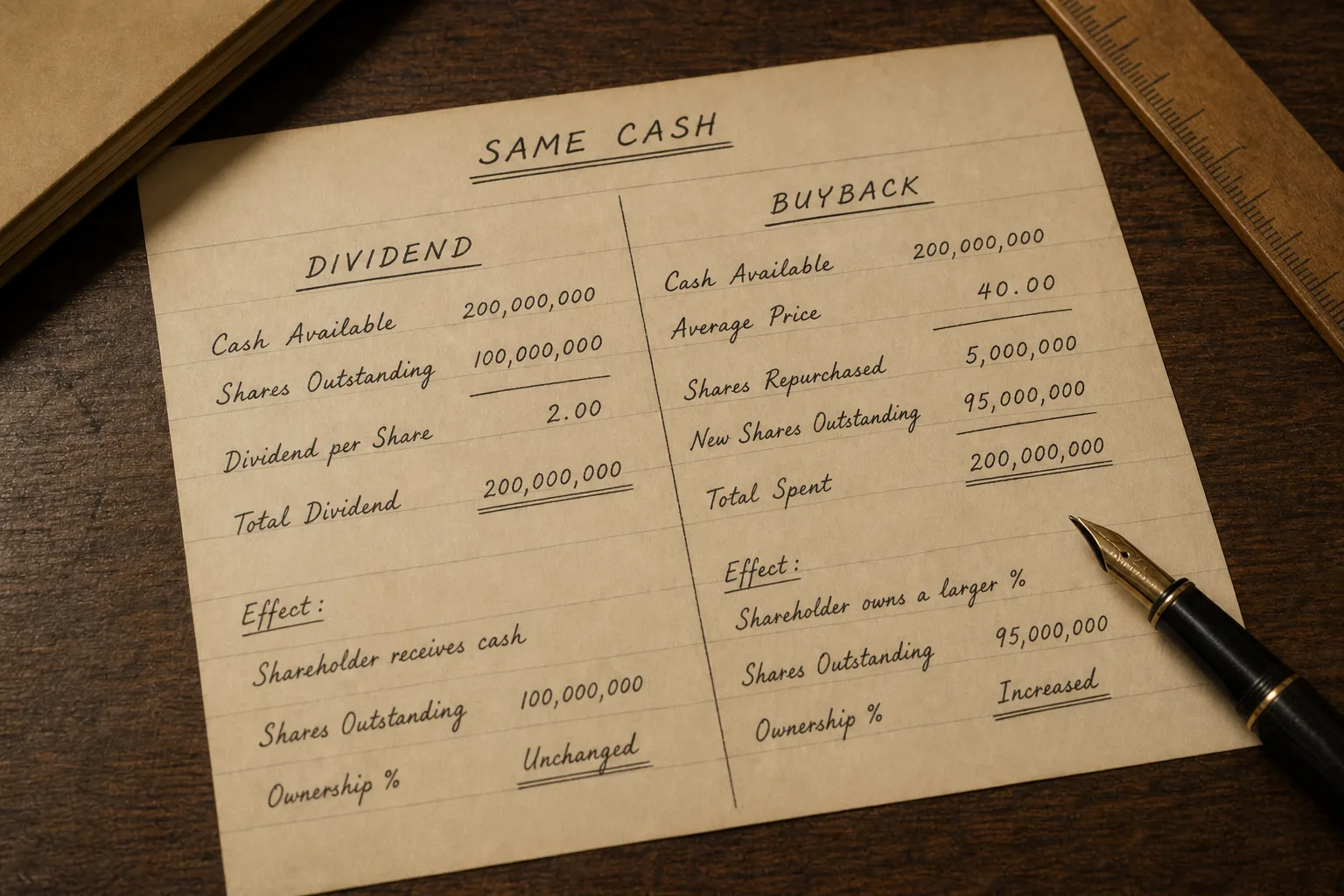
Neither door is automatically kinder. One puts cash in your pocket and leaves your percentage alone. The other skips your pocket and raises your percentage. Ask which trip the money took before you repeat the slogan.
Educational only · Not investment advice