Why a 52-week high is not a valuation
A 52-week high is not a valuation. It is a price compared with this name’s own tape over the last year. It does not say cheap. It does not say expensive. It is not a multiple, not a discounted cash flow, and not a verdict that “the stock is dear.”
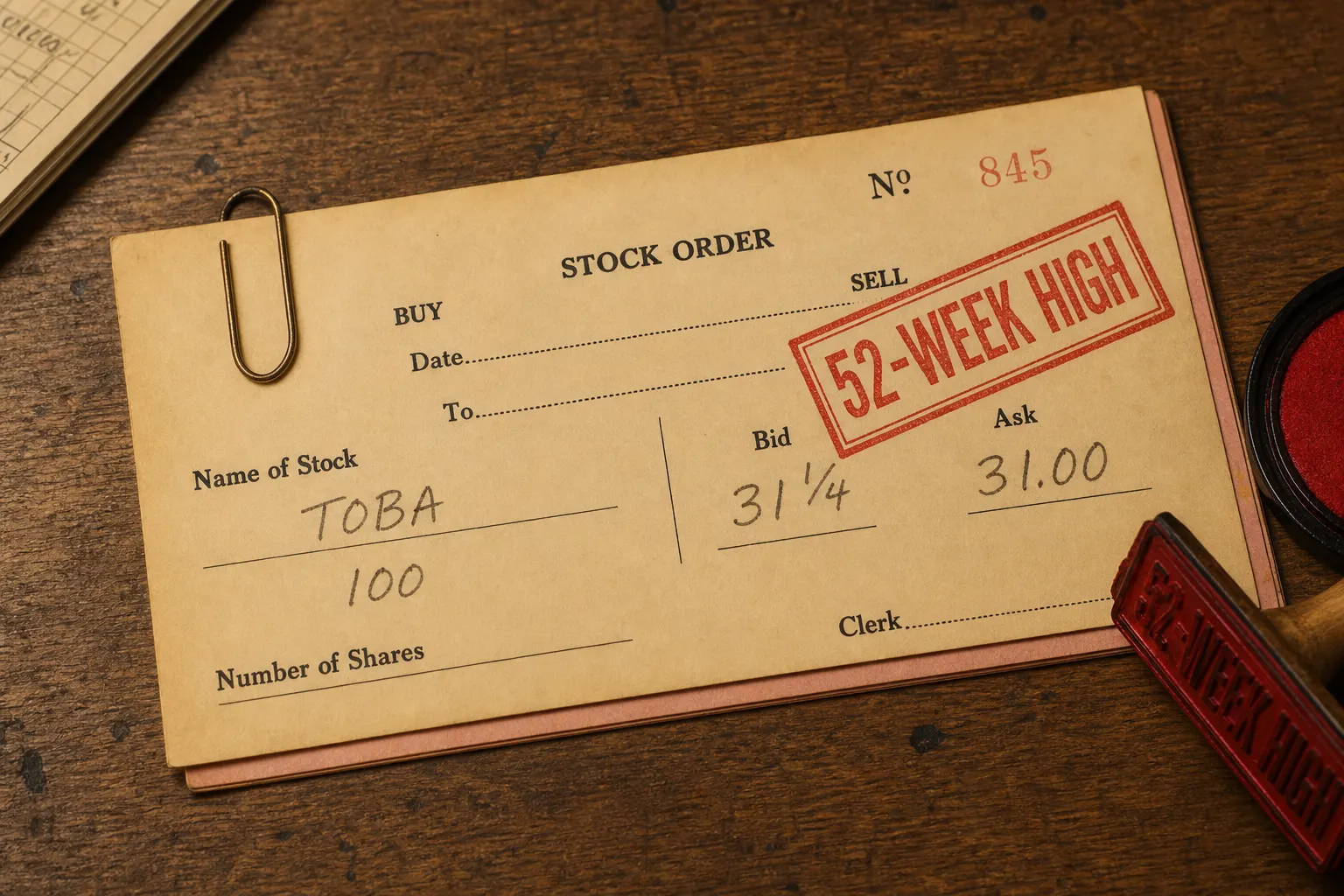
The high is a memory of a print. Sometime in the last fifty-two weeks, this name traded there. Today’s bid can sit on that mark, under it, or through it. Either way, you have learned where the tape has been. You have not learned what the business is worth.
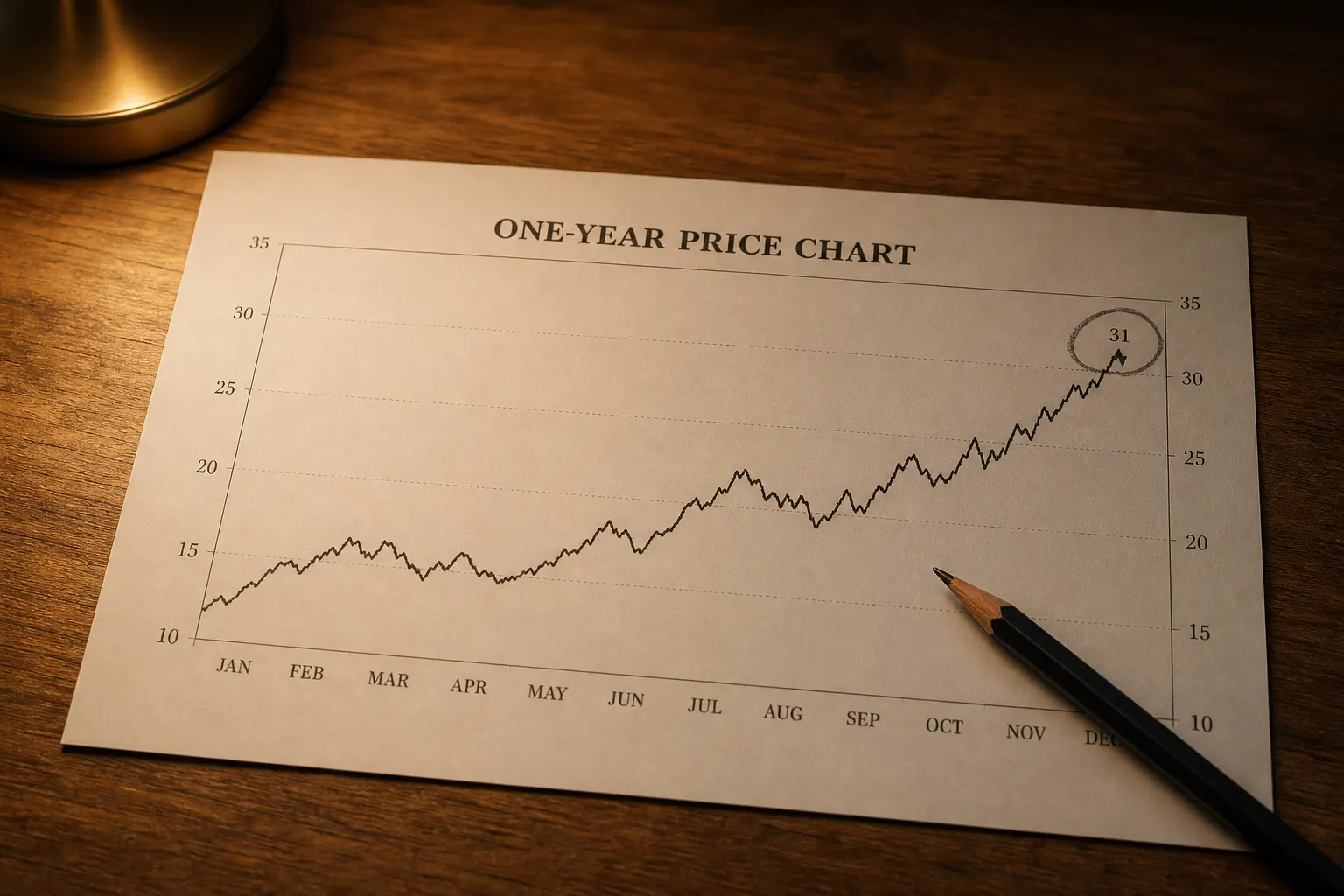
People treat the sticker like a grade. New high means stretched. Far from the high means a bargain. That is a map of the past year, not a model.
It is a ruler with one tick
A 52-week range is this stock versus this stock. High. Low. Last. That is a yardstick that never leaves the room. It does not look at sales, cash, debt, or the other names in the aisle.
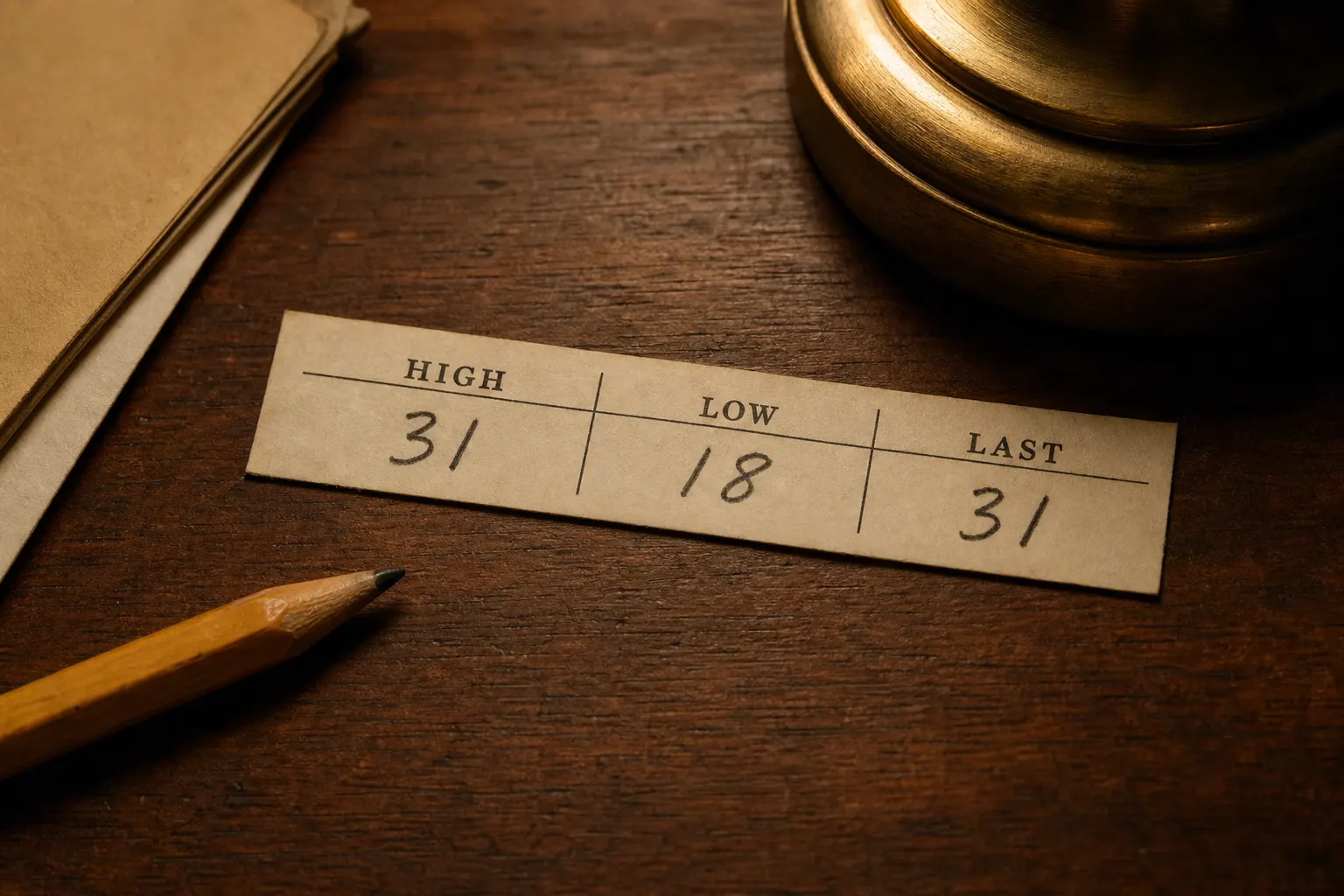
A name can print a new high after a dull year and still be cheap on every multiple that matters. Another can sit halfway down the range and still be a rich claim on a weaker business. The range will not tell you which is which. It was not built to.
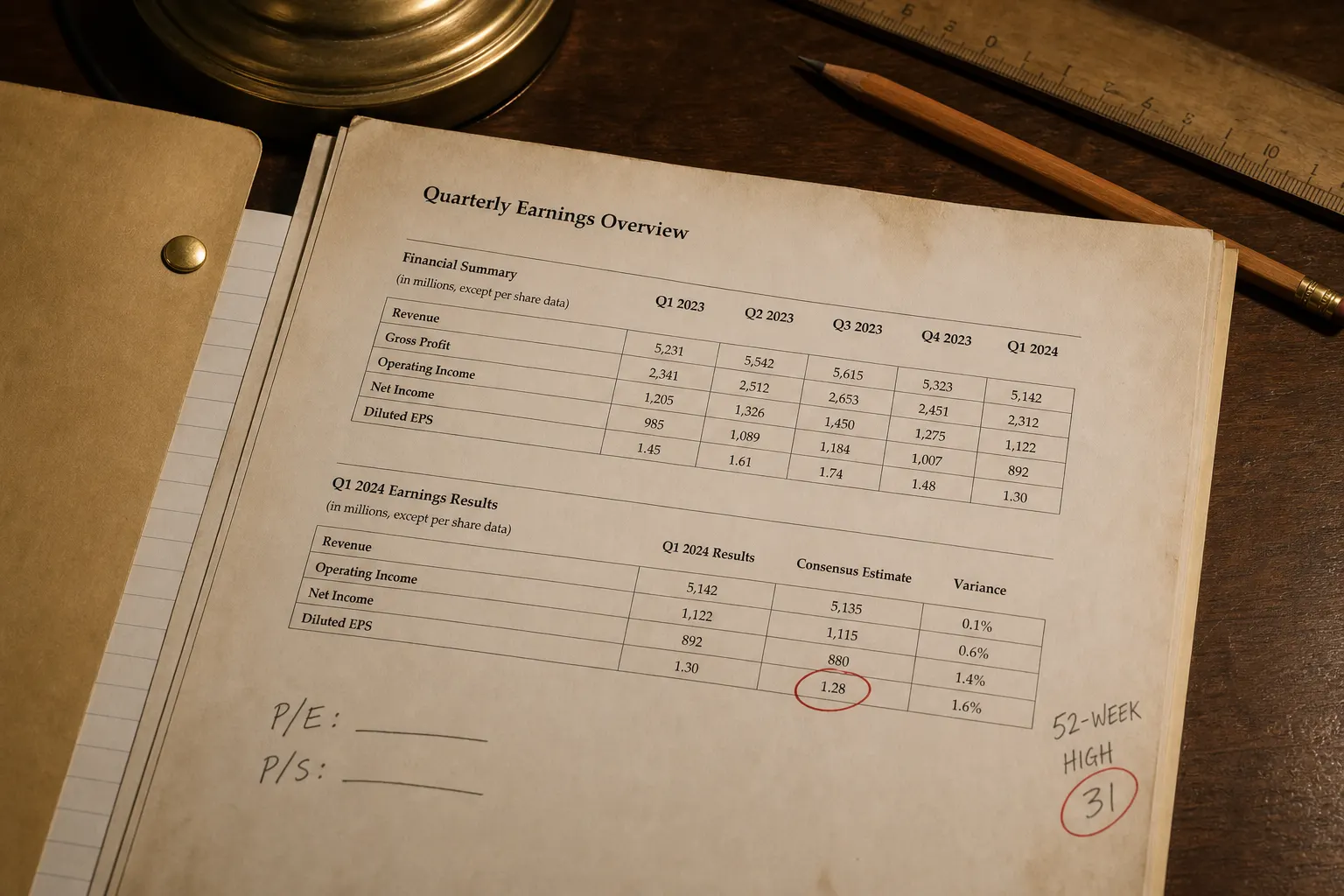
A multiple is a different sentence
Valuation asks a ratio question. Price over earnings. Price over sales. Enterprise value over a cash figure you are willing to defend. A 52-week high asks none of that. It does not even ask what the share count did.
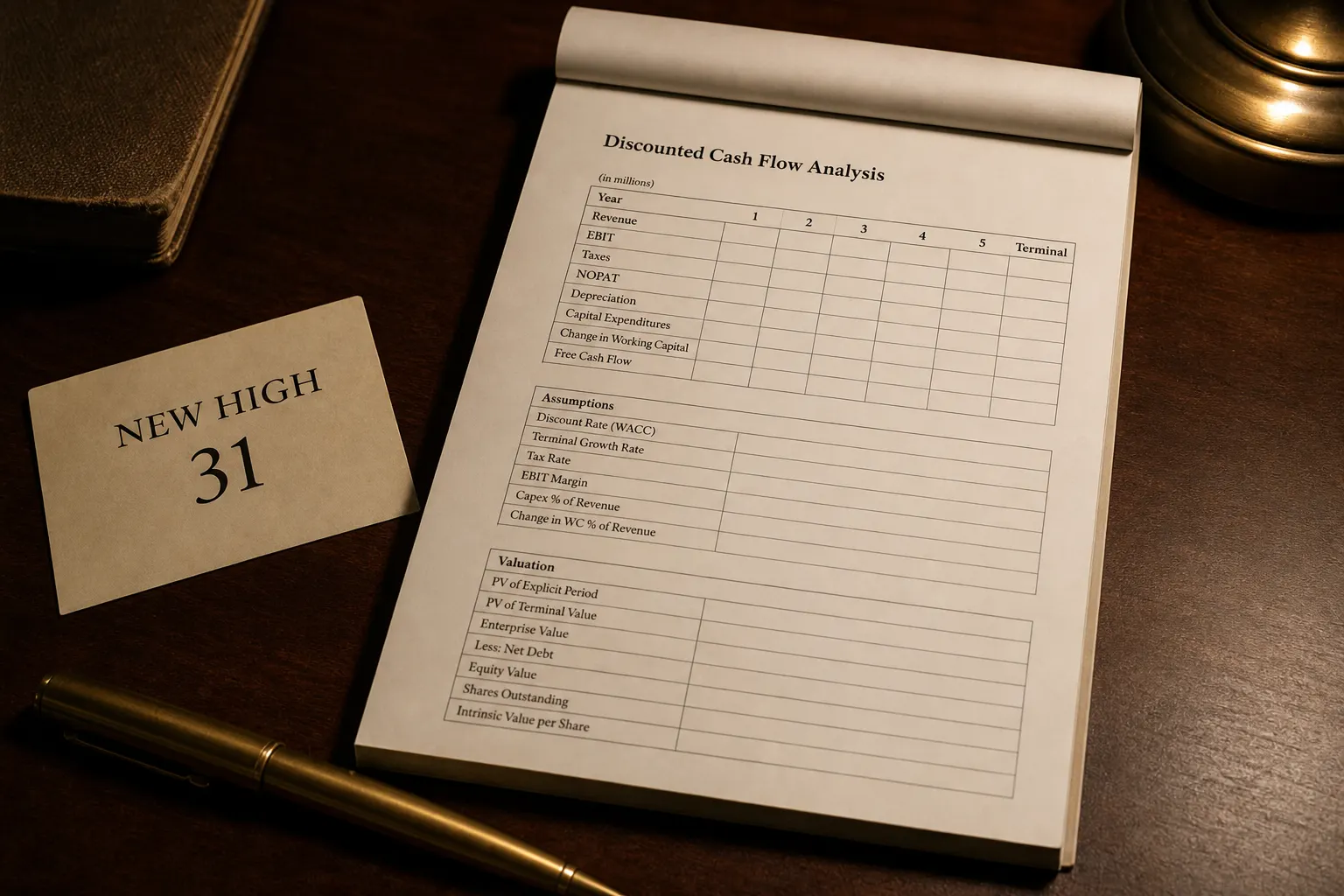
A discounted cash flow is another sentence again: cash you think arrives later, brought back to today. Whether you trust that homework is a separate fight. The 52-week high is not that homework. It is a flag on a chart.
Dear is a claim, not a print
“The stock is dear” is an argument about price versus value. A new high is a fact about price versus last year’s prices. You can have both. You can have one. You cannot swap them.
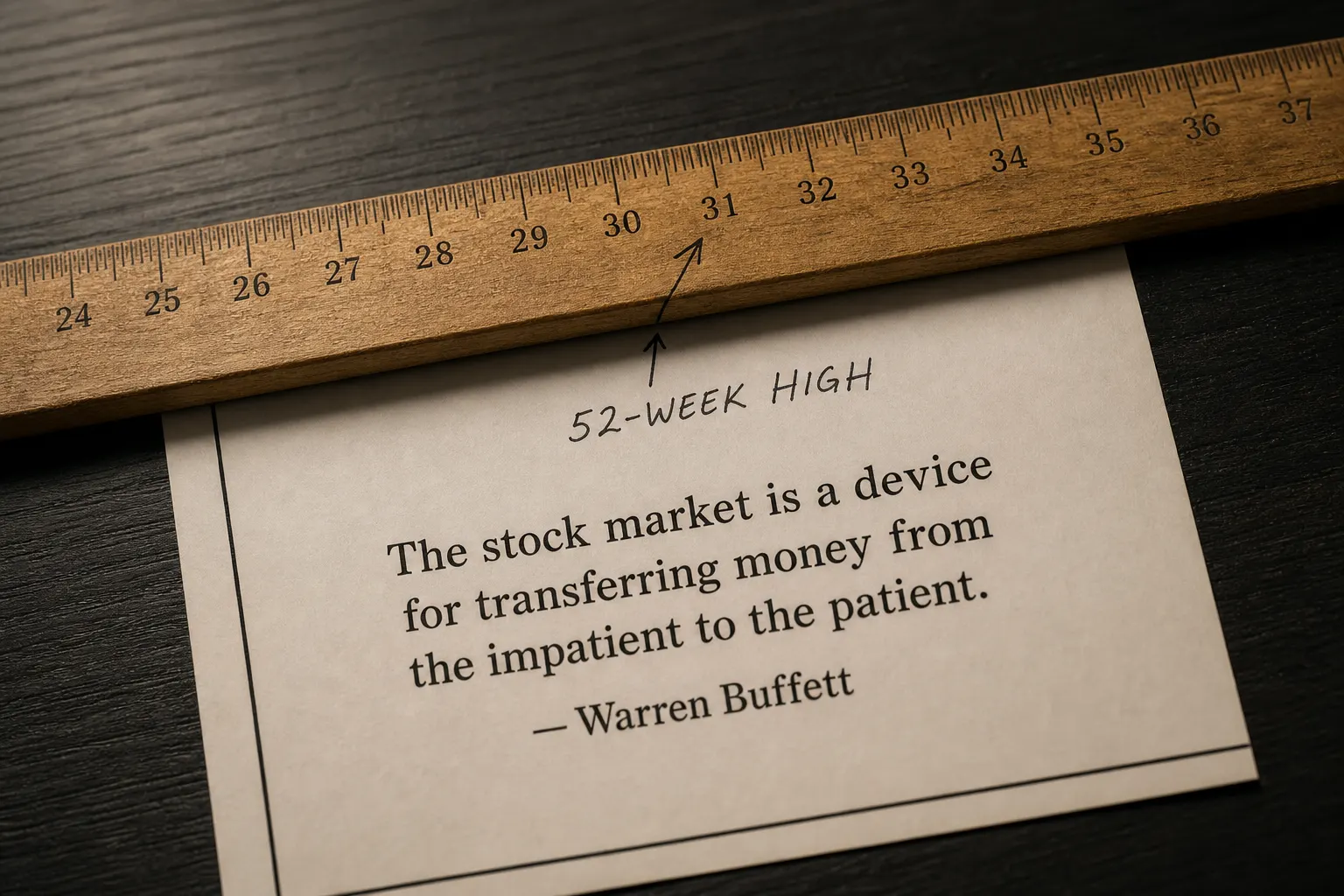
A dull example. Last year the name ran from 18 to 31. Today it prints 31. That is a 52-week high. If the business now earns 2.50 a share and a cousin with the same story trades at 9 times, 31 can be ordinary. If it earns 0.80 and the balance sheet got worse, 31 can be a stretch. The high did not change in those two stories. The claim did.
Look at the range if you want the weather. Look at a multiple, or a cash story, if you want a valuation. A stamp that says HIGH is a stamp about the tape.
Educational only · Not investment advice