What an earnings surprise actually compares
A company can make more money than last year and still get punished. That sounds rude until you see what “surprise” is comparing.
It is not this year versus last year. It is this quarter versus the number people had already baked in. Growth is one story. The surprise is another.
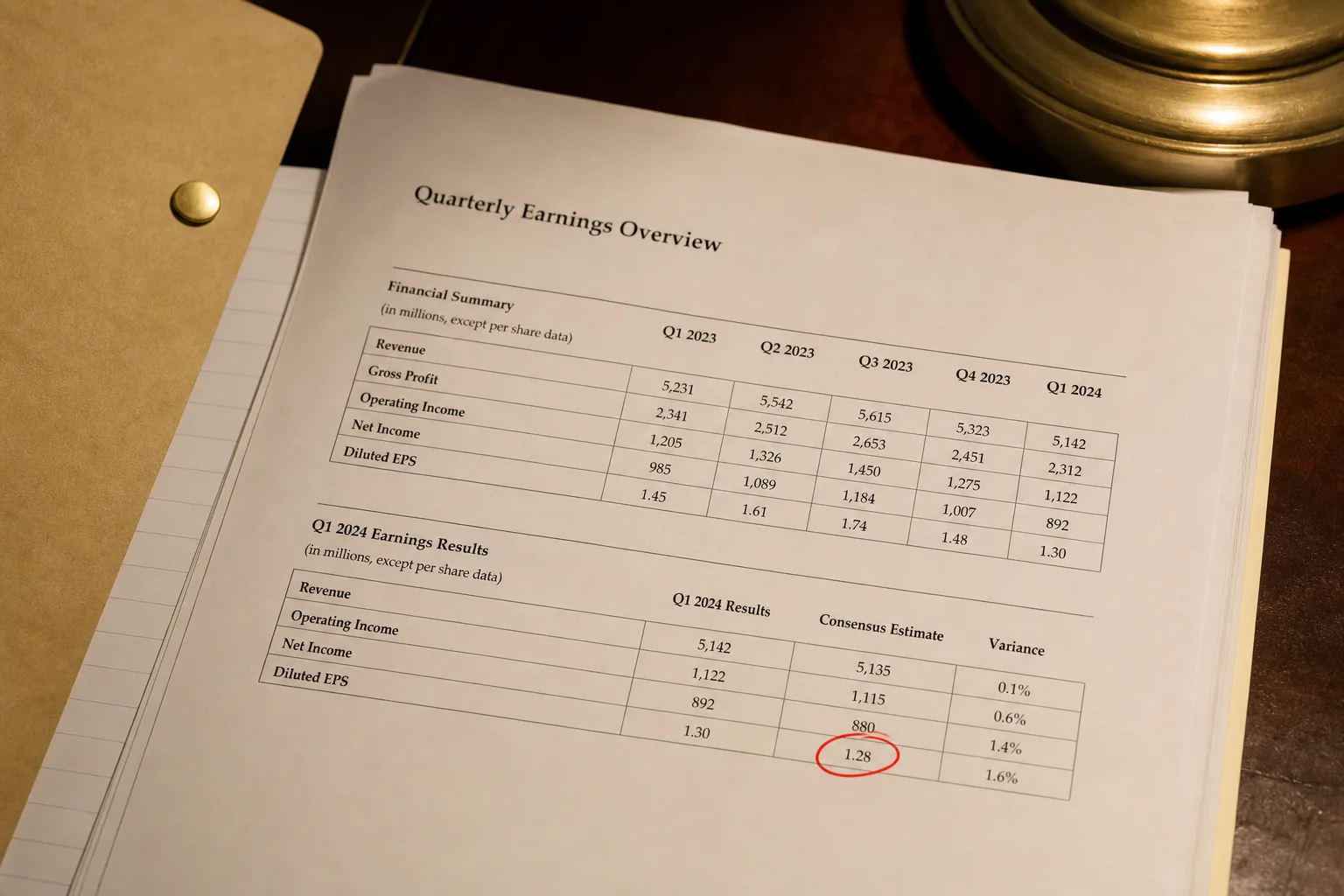
The packet has a reported number. Next to it, sometimes in smaller type, is the consensus: a blend of published estimates. Subtract. That gap is the surprise. Last year’s quarter is sitting on the same page, and it is the easier number to remember. It is also the wrong denominator.
The market already took a side
By the time the release hits, the stock has a story in it. Not one analyst’s model. A crowd number traders treat as the hurdle. Report 1.12 against a 1.08 consensus and that line is a beat. Report 1.12 after a 0.90 year and that is growth. You can say both in one breath. They are not the same sentence.
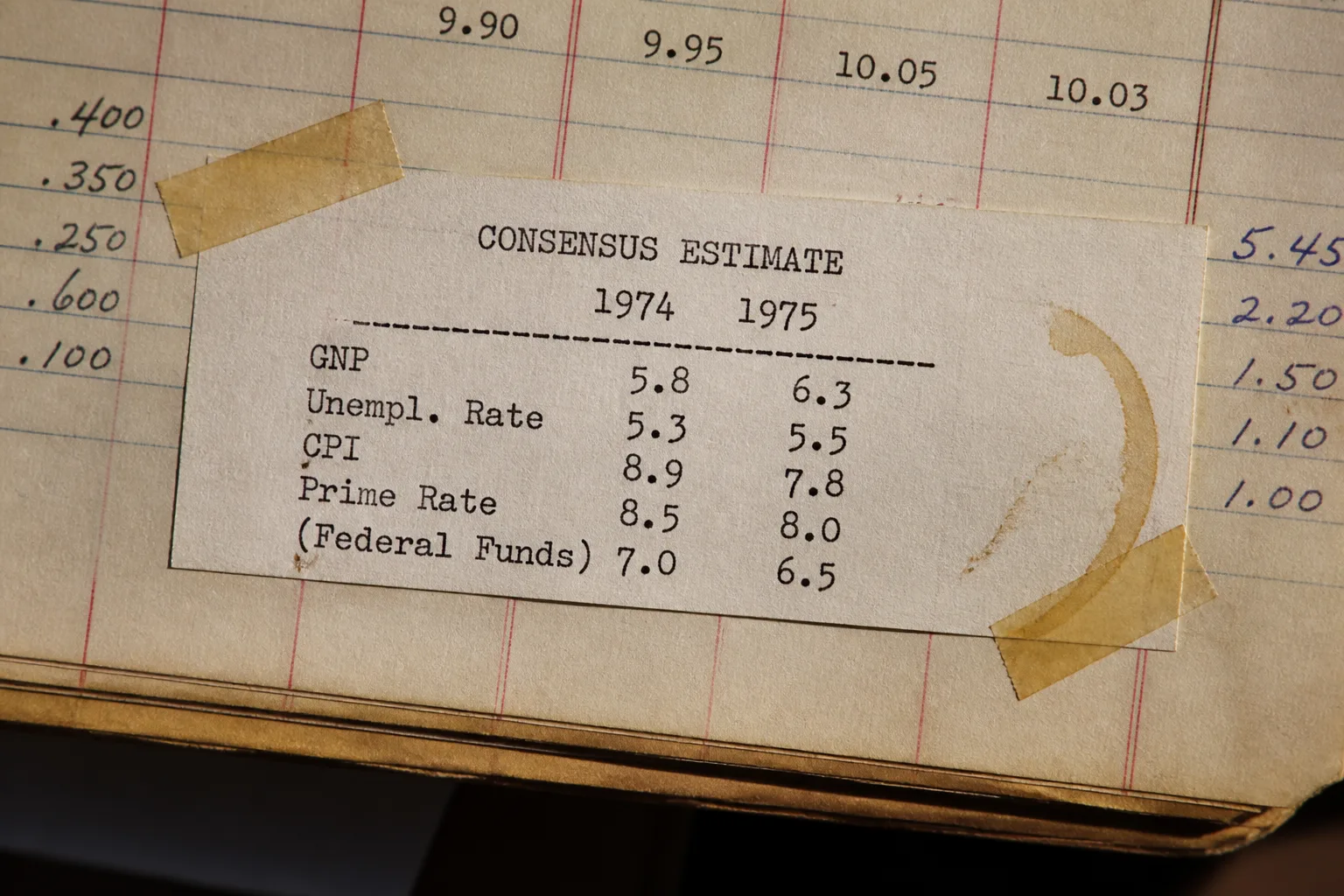
We mix them up because year-over-year feels like winning. Families talk that way. Markets score a print against what was already assumed. A headline that says “record” can still be a miss if the record was smaller than the estimate.
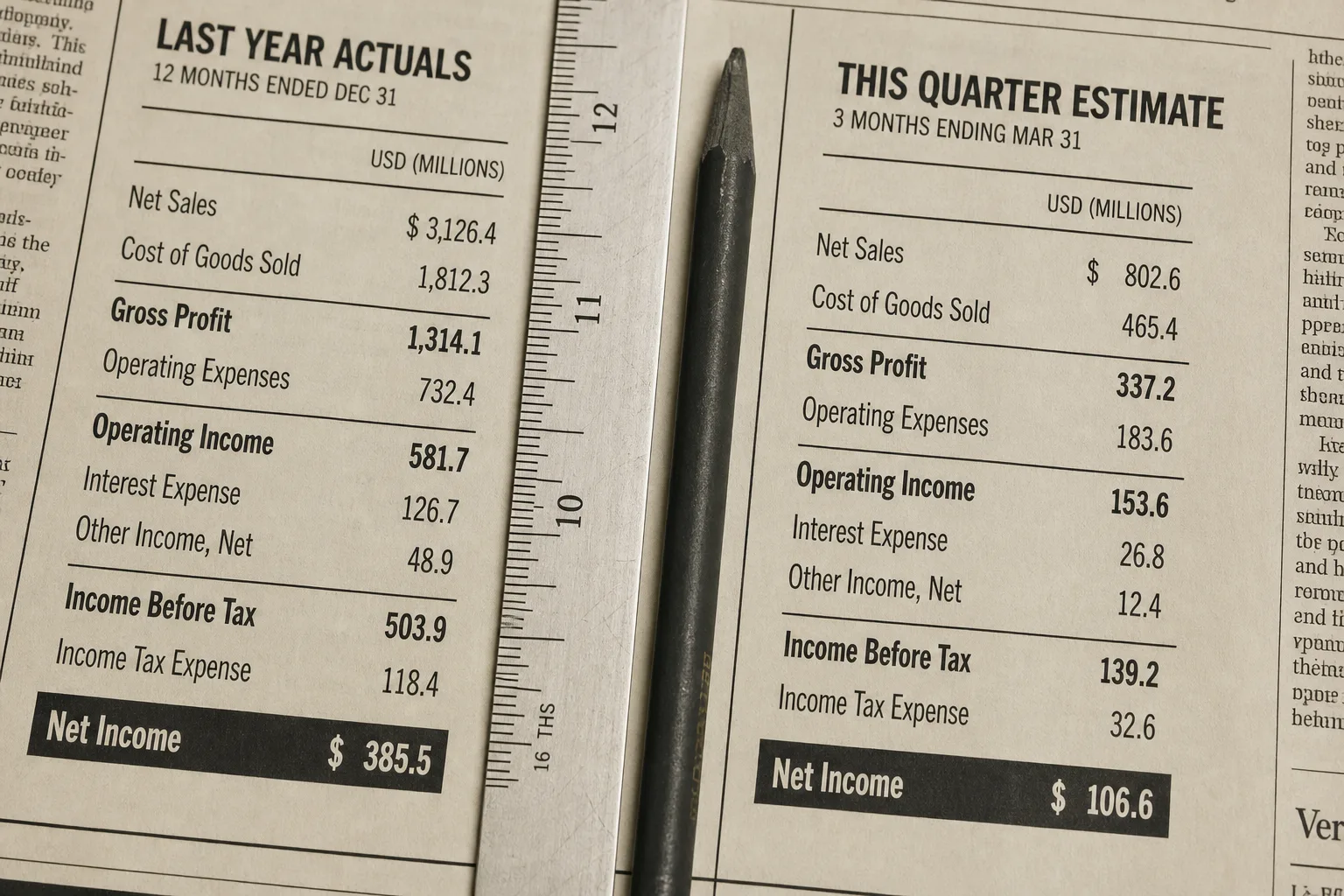
Which line even counts?
There is no single sacred line. Some names live and die on earnings per share. Some on revenue. Some on a margin the company will not shut up about. The surprise people argue about in the first hour is usually the line the consensus sheet highlighted. Beat the ignored line and miss the watched one, and you missed.
Whisper numbers make the theater messier. The published consensus can sit at 1.08 while the room acts like 1.14 was the real bar. That does not change the definition. It changes the mood. You can stamp an official beat and still watch the stock fade.
The call is commentary
A speakerphone does not create the surprise. The comparison happened when the figure hit the wire and sat next to the estimate. Management can talk the next estimate around. They cannot rewrite what this one was.

Earnings week trains a second bad habit: treating the date as the news. The date is when they are allowed to print the comparison. The surprise is still versus consensus, not versus Thursday.

BEAT and MISS are stamps. They are not morals. A firm can beat earnings per share and guide the next quarter under what people wanted. The first hour often trades the guide, not the history.

Run the numbers once and the fog lifts. Last year: 0.80. Consensus: 1.05. Report: 1.02. Versus last year, they grew. Versus consensus, they missed by 0.03. If the stock was built for 1.05, the print can disappoint while the year-over-year table looks fine.
Flip it. Report 0.78 against a 0.74 consensus after a 0.90 year. That is a beat and a worse year. Neither case is a puzzle if you name the comparison.
When someone says a company “surprised,” ask one question: versus which number? If the answer is last year, you are reading a growth table. If the answer is the estimate, you are reading the surprise.
Educational only · Not investment advice